The Walls of Ston: Croatia's Great Wall
Introduction
Nestled in the southern part of Croatia, on the Pelješac peninsula, lies a hidden gem of European history and architecture - the Walls of Ston. Often referred to as the "European Wall of China," this impressive fortification system stands as a testament to medieval engineering and the strategic importance of the region.
Historical Background
The Walls of Ston were built in the 14th century by the Republic of Ragusa, now known as Dubrovnik. Construction began in 1358, shortly after Pelješac became a part of the Republic. The primary purpose of these walls was to defend the precious salt pans that contributed greatly to Dubrovnik's wealth and to protect the peninsula's inhabitants.
Architectural Marvel
Stretching for about 5.5 kilometers (3.5 miles), the Walls of Ston are the second-longest preserved fortification system in the world, second only to the Great Wall of China. The walls connect two towns - Ston and Mali Ston - creating a unified defensive structure.
Key Features:
- 40 towers and 5 fortresses strategically placed along the walls
- Walls up to 5 meters high and 1.5 meters thick
- Originally built with limestone
The Salt Trade
The salt pans of Ston were a crucial economic asset for the Republic of Ragusa. Salt was often called "white gold" due to its high value in preserving food. The Walls of Ston played a vital role in protecting this valuable resource from potential invaders and pirates.
Restoration and Tourism
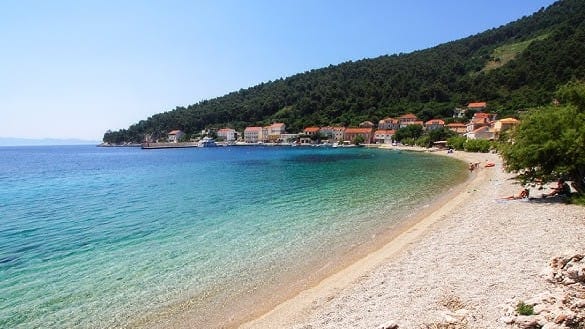
Over the centuries, the walls have faced numerous challenges, including earthquakes and wars. However, extensive restoration efforts have been undertaken to preserve this historical treasure. Today, visitors can walk along sections of the walls, enjoying breathtaking views of the Adriatic Sea and the surrounding landscape.
The Town of Ston
While the walls are the main attraction, the town of Ston itself is worth exploring. Known for its:
- Oyster farms: Some of the best oysters in the world
- Salt works: Still in operation today
- Medieval architecture: Well-preserved buildings from the 14th and 15th centuries
Mali Ston
At the northern end of the walls lies Mali Ston (Little Ston), a picturesque village famous for its:
- Seafood restaurants: Serving fresh local delicacies
- Fortified harbor: A beautiful example of medieval port design
Hiking the Walls
For adventure enthusiasts, hiking the entire length of the walls is a popular activity. The journey takes about an hour and offers stunning panoramic views of the peninsula and the Adriatic Sea. It's advisable to wear comfortable shoes and bring water, especially during the hot summer months.
Cultural Significance
The Walls of Ston are more than just a tourist attraction; they represent an important part of Croatian heritage. They stand as a symbol of the ingenuity and determination of the people of Dubrovnik in protecting their land and resources.
Conclusion
The Walls of Ston offer a unique blend of history, architecture, and natural beauty. Whether you're a history buff, a photography enthusiast, or simply looking for a memorable day trip from Dubrovnik, the Walls of Ston promise an unforgettable experience. As you walk along these ancient stones, you'll be transported back in time, gaining a deeper appreciation for the rich cultural tapestry of Croatia's Dalmatian coast.