Exploring the Majestic Sisak Fortress: A Croatian Historical Gem
Introduction
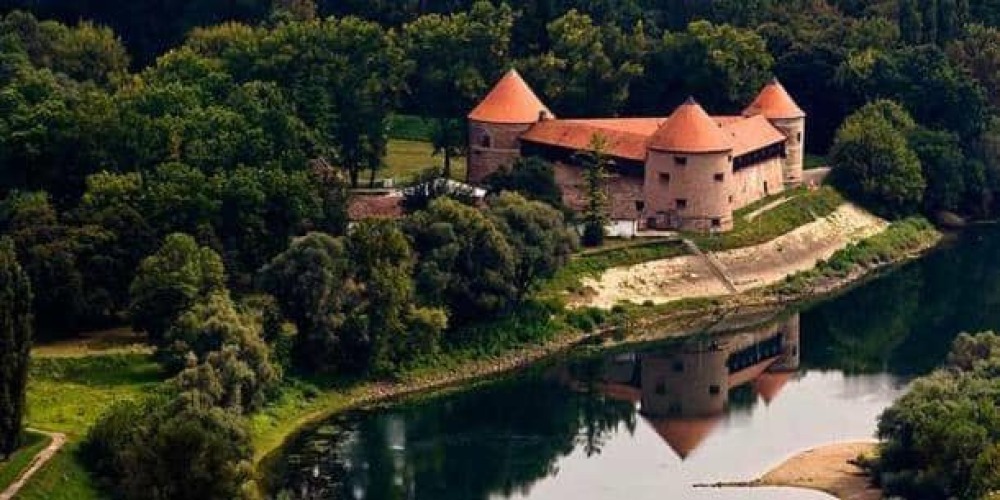
Nestled along the banks of the Kupa River in central Croatia, the Sisak Fortress stands as a testament to the region's rich history and architectural prowess. This triangular-shaped fortress, with its imposing walls and strategic location, has played a crucial role in defending Croatia against Ottoman invasions for centuries.
Historical Significance
Origins and Construction
The Sisak Fortress, known locally as Stari Grad Sisak, was built in the 16th century as part of a larger defense system against the expanding Ottoman Empire. Construction began in 1544 and was completed in 1550, making it one of the best-preserved Renaissance fortresses in Croatia.
The Battle of Sisak
Perhaps the most significant event in the fortress's history occurred on June 22, 1593. The Battle of Sisak saw a coalition of Christian forces, led by the Croatian Ban Toma Bakač Erdődy, decisively defeat the Ottoman army. This victory marked a turning point in the Ottoman-Habsburg wars and halted the Ottoman advance into Central Europe.
Architectural Features
Triangular Design
The fortress's unique triangular shape was designed to maximize its defensive capabilities. Each corner of the triangle features a circular tower, providing a 360-degree view of the surrounding area and allowing defenders to spot approaching enemies from afar.
Thick Walls and Moat
The fortress boasts impressively thick walls, reaching up to 4 meters in some sections. These walls, combined with a wide moat that once surrounded the structure, made the Sisak Fortress a formidable obstacle for any invading force.
Interior Layout
Inside the fortress, visitors can explore various rooms and chambers that once housed soldiers, stored supplies, and served as living quarters for the fortress's commanders. The interior also features a central courtyard, which was used for military drills and gatherings.
Preservation and Tourism
Restoration Efforts
In recent years, significant efforts have been made to restore and preserve the Sisak Fortress. These initiatives aim to maintain the structure's historical integrity while making it accessible to visitors from around the world.
Museum and Cultural Center
Today, the fortress houses a museum that showcases artifacts from its long history, including weapons, armor, and everyday items used by its former inhabitants. The site also serves as a cultural center, hosting various events and exhibitions throughout the year.
Visiting the Sisak Fortress
Location and Access
The Sisak Fortress is easily accessible from the city of Sisak, located approximately 60 kilometers southeast of Zagreb, Croatia's capital. Visitors can reach the fortress by car or public transportation.
Guided Tours
For those interested in delving deeper into the fortress's history, guided tours are available. These tours provide valuable insights into the structure's architecture, historical significance, and the lives of those who once defended it.
Surrounding Attractions
While visiting the Sisak Fortress, tourists can also explore the charming city of Sisak and its surrounding areas. The region offers beautiful natural landscapes, traditional Croatian cuisine, and other historical sites worth discovering.
Conclusion
The Sisak Fortress stands not only as a remarkable example of Renaissance military architecture but also as a symbol of Croatian resilience and determination. Its walls have witnessed centuries of history, from fierce battles to periods of peace and prosperity. Today, it continues to captivate visitors with its imposing presence and rich cultural heritage, making it a must-visit destination for history enthusiasts and curious travelers alike.